A press office in Rome goes silent on 24 June and nobody notices until a quote is missing. A council meeting scheduled for the second week of August turns out to be un-coverable because half the town is at the beach. A transport story runs without the note that the metro stops at 21:00 on a public holiday. None of these are disasters. All of them are avoidable. Italian public holidays are not hard to learn — there are only a handful of national ones — but they arrive with side effects that reach further than the closure of a single office. Here is how to plan around them without memorising a legal code.
The Fixed National Calendar: What Actually Closes
Italy has ten fixed national public holidays, plus Easter Monday, which moves with the liturgical calendar. On these days, government offices, schools, post offices, banks and most shops close, and public transport runs a Sunday-style timetable.
- 1 January — Capodanno (New Year's Day)
- 6 January — Epifania (Epiphany)
- Easter Monday — Lunedì dell'Angelo, the day after Easter
- 25 April — Festa della Liberazione
- 1 May — Festa del Lavoro
- 2 June — Festa della Repubblica
- 15 August — Ferragosto (Assunzione)
- 1 November — Ognissanti (All Saints)
- 8 December — Immacolata Concezione
- 25 December — Natale
- 26 December — Santo Stefano
One detail trips up editors used to the British system: Italy does not generally move a holiday to the nearest Monday. If 1 November falls on a Sunday, that is simply that — no substitute day off follows. The calendar gets no convenient padding. Plan for the date as printed.
Easter, Patron Saints and the Local Layer
Easter is the most useful week to mark early, because Italy effectively closes for two days: Easter Sunday and Easter Monday. The date shifts each year, so it has to be looked up rather than assumed. The same is true of Carnival, which is not a public holiday anywhere in the country but empties schools and offices in some cities for a week in February — a distinction worth keeping straight.
Then comes the layer that catches outsiders: patron saint days. Every comune observes its own, and the closures are real within that city. Rome stops for Saints Peter and Paul on 29 June. Florence closes for San Giovanni on 24 June, Milan for Sant'Ambrogio on 7 December, Naples for San Gennaro on 19 September, Bologna for San Petronio on 4 October, Palermo for Santa Rosalia on 15 July. Venice marks San Marco on 25 April, which also happens to be a national holiday — a tidy coincidence for the lagoon, an easy double-booking for a reporter.
Some provinces observe days the rest of the country does not; Bolzano, for instance, has additional holidays tied to its Austrian-influenced history. The rule for a newsroom is simple: never trust a national calendar alone if you are covering a specific city. Check the comune's own website, or the regional press office, at the start of the year.
The Ponte Effect and the August Slowdown
When a holiday lands on a Tuesday or a Thursday, Italians build a ponte — a bridge — and take the Monday or Friday too. The result is a long weekend that thins out offices, fills motorways and depresses the news cycle. Spring offers the classic cluster: 25 April and 1 May often sit close enough together to create a stretch of interrupted working weeks. Editors who schedule investigations or launches in that window frequently find nobody available to comment.
August is a season rather than a day. Ferragosto on 15 August is the peak, but many offices, studios and small businesses close for two or three weeks around it, and the effect starts well before the holiday itself. Newspapers still publish, but often with reduced staff and thinner editions; magazines sometimes produce a double issue covering the gap. Press offices at public bodies run on skeleton rotas. If a story needs three institutional voices and a lawyer, mid-August is a bad week to ask.
Government Offices, Deadlines and Publishing Rhythms
For anyone covering policy or regulation, the key point is that holidays do not merely pause staff — they pause publication. The Gazzetta Ufficiale, where laws and decrees appear, is issued on working days, so holiday weeks produce fewer editions and, consequently, fewer official hooks for a story. Announcements cluster before and after closures.
Italy also has a formal summer recess for many procedural deadlines, concentrated in August, and further suspensions around the end of December. These rules are technical and vary by procedure. For anything involving a legal or administrative deadline, verify the specific case with a qualified professional rather than relying on a general calendar.
Press offices behave predictably: they rush releases out before a closure and go quiet afterwards. Two practical habits follow. First, avoid setting an embargo that expires on a public holiday — it will be honoured by nobody and read by fewer. Second, when a holiday interrupts a running story, file the "what happens next" piece in advance rather than chasing quotes on the day.
Transport, Events and the Local Picture
Holidays alter movement, and movement alters stories. Trains switch to a holiday timetable, local buses run reduced services, and some ferry routes in the south operate on seasonal schedules that only loosely resemble the winter ones. Major stations and airports are busiest around Christmas, Easter and Ferragosto, which is exactly when travel-disruption stories are most read. Strike rules also tend to protect holiday travel windows, so a planned strike may be suspended or rescheduled.
Local events matter just as much. Patron saint festivals, processions, food fairs and summer sagre bring crowds, road closures and a genuine news audience — but the details live on municipal sites and local association pages, not in national listings. Before assigning a shoot, confirm three things: whether the roads around the venue close, whether the event's press contact is actually reachable that week, and whether the last edition ran at all.
Building Your Holiday-Proof Calendar
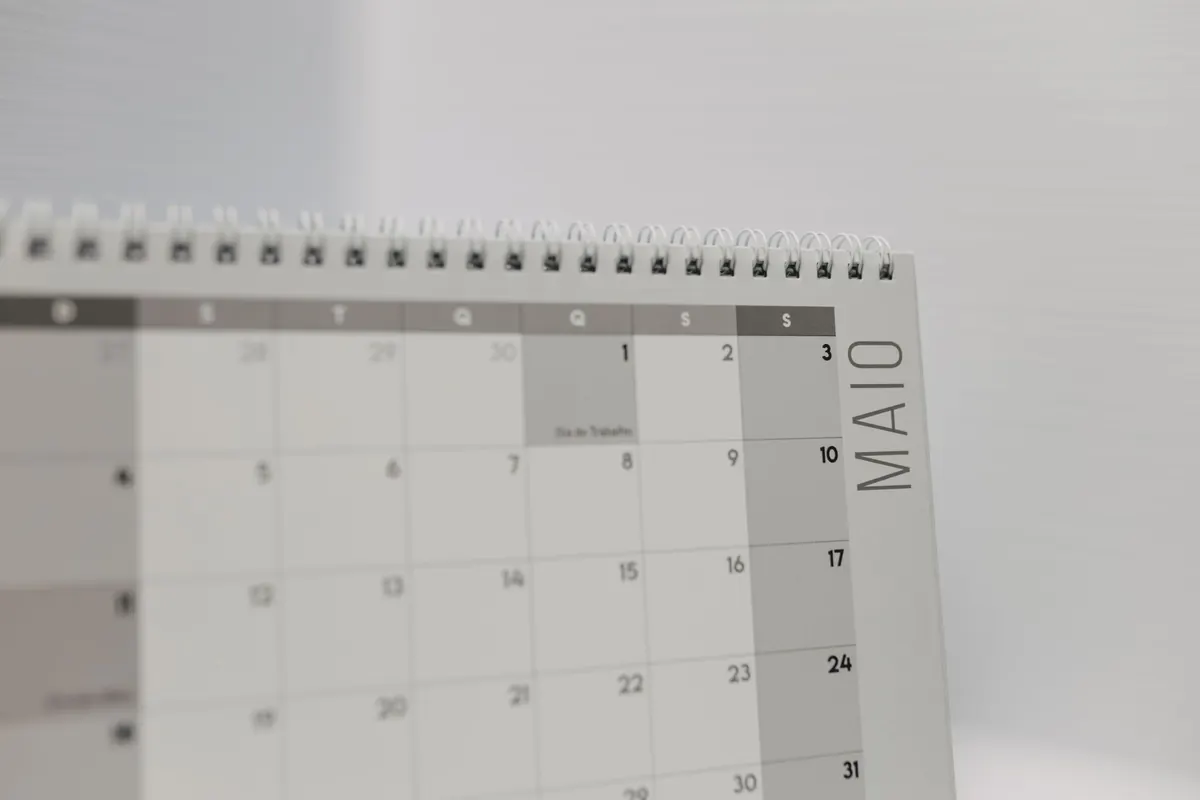
The work is front-loaded and cheap. Spend two hours in January and the rest of the year takes care of itself.
- Mark the eleven national dates, plus Easter, in the shared newsroom calendar — with reminders a week and a day ahead.
- Add patron saint days for every city your coverage touches, and note which ones fall inside a ponte.
- Flag the August fortnight and the 24 December–6 January stretch as reduced-capacity periods, and plan lighter output there rather than pretending otherwise.
- List which sources — ministries, transport operators, courts, hospitals — publish their own holiday notices, and check them quarterly.
- Nominate a named duty editor for each major holiday, with a phone number in the plan, not just an email address.
- Keep a small stock of evergreen and pre-reported pieces ready to fill a thin day.
A holiday is not a gap in the calendar; it is a known, repeating condition of the place you cover. Treat it as part of the diary, and the missing quote on 24 June stops being a surprise.
Photo: Matheus Bertelli / Pexels